Stain Removal in Everyday Life: Practical Methods for Cleaner Fabrics, Surfaces, and Upholstery
Stain removal is one of those everyday cleaning tasks that can feel simple in theory and frustrating in practice. Whether you are dealing with a coffee spill on a white shirt, grease on a kitchen counter, ink on upholstery, or wine on a carpet, the right stain removal method can save time, money, and stress. Effective stain removal is not just about scrubbing harder; it is about understanding the type of stain, the material affected, and the safest way to lift the mark without causing damage.
Many people search for stain removal solutions only after an accident happens, but a smarter approach is to know a few reliable techniques in advance. With the right products, a calm process, and a little patience, you can handle many common stains at home. In this article, we will look at practical stain removal methods for different surfaces, explain what works best for specific messes, and share useful habits that help prevent permanent damage.
From clothing and upholstery to carpets, countertops, and hard flooring, stain removal is part of keeping your home fresh and attractive. The key is to act quickly, avoid harsh mistakes, and choose methods suited to the stain. If you want cleaner fabrics and a more polished home environment, learning the basics of stain removal is a smart investment in everyday maintenance.
Why Stain Removal Matters for Homes and Businesses
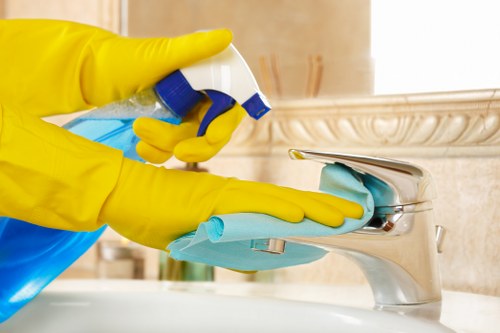
Stain removal plays a major role in appearance, hygiene, and long-term care. A visible stain can make a clean space look neglected, even if the rest of the area is spotless. For homeowners, good stain removal helps maintain clothing, furniture, rugs, and surfaces so they last longer and continue to look their best. For businesses, especially those in hospitality, retail, and office settings, stain removal is often tied directly to brand image and customer trust.
There is also a practical side to stain removal. Some stains become harder to eliminate over time as they set into fibers or react with heat and cleaning agents. Grease can spread deeper into fabric, wine can bind to fibers, and ink can soak into porous surfaces. Acting quickly with the right stain removal approach increases the chance of complete success and reduces the need for aggressive cleaning methods later.
Another important reason to pay attention to stain removal is material protection. Using the wrong cleaner on delicate fabric, natural stone, or finished wood can cause discoloration, fading, or texture changes. A careful stain removal routine protects your investment and keeps surfaces looking new for longer.
Understanding Stain Types Before You Start
Successful stain removal starts with identifying the stain type. Different substances behave differently, and the wrong treatment can make a stain worse. In general, stains fall into a few broad categories: water-based stains, oil-based stains, protein-based stains, dye-based stains, and combination stains. Each type needs a slightly different stain removal strategy.
Water-based stains include coffee, tea, juice, soda, and many food spills. These often respond well to blotting and mild detergent solutions. Oil-based stains include grease, makeup, lotion, and salad dressing. These usually require a degreasing agent or absorbent powder before washing. Protein-based stains such as blood, milk, or egg need cool water and gentle treatment, because heat can set them permanently.
Tip: Before applying any stain removal product, always test it on a hidden area first. This is especially important for delicate fabrics, colored materials, and natural stone. A small test can prevent a larger problem.
Essential Stain Removal Supplies to Keep on Hand
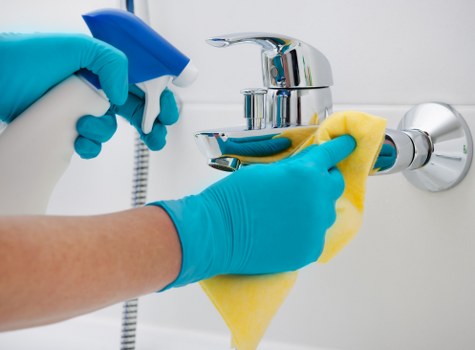
You do not need a cabinet full of specialized products to handle most household stains. A simple stain removal kit can cover a wide range of accidents. The goal is to be prepared so that you can respond fast when a spill happens.
- Clean white cloths or paper towels
- Soft-bristle brush or old toothbrush
- Mild liquid detergent
- Baking soda
- White vinegar
- Hydrogen peroxide
- Rubbing alcohol
- Dish soap
- Enzyme cleaner for organic stains
- Spray bottle
Having these items ready makes stain removal easier and more efficient. You can blot, treat, rinse, and repeat without having to search for supplies in the middle of the process. For many households, a basic stain removal kit is one of the most useful cleaning investments available.
Important: Never mix cleaning chemicals unless you know they are safe together. Some combinations can create dangerous fumes or reduce cleaning effectiveness. Safe stain removal depends on the right product used in the right way.
Stain Removal on Clothing and Fabric
Clothing is one of the most common places where stain removal becomes necessary. Shirts, pants, uniforms, sportswear, and delicate garments all face regular spills and splashes. The best approach is usually to act immediately by blotting excess liquid, treating the stain gently, and washing according to the fabric care label.
For most fabric stains, the stain removal process begins with blotting, not rubbing. Rubbing can push the stain deeper into the fibers and spread it over a larger area. After blotting, apply a small amount of stain remover or mild detergent mixed with water. Let it sit for several minutes, then rinse with cool water before laundering.
Some fabrics need special care. Silk, wool, and other delicate materials may react poorly to strong stain removal products. When in doubt, use a gentler solution and avoid heat until the stain is fully gone. Heat from a dryer can set many stains permanently, making stain removal much harder later.
How to Handle Common Clothing Stains
Different stains need different treatment, and knowing the category helps you choose the fastest stain removal method.
- Coffee and tea: Rinse with cool water, then treat with mild detergent.
- Grease: Sprinkle baking soda or cornstarch first, then apply dish soap.
- Ink: Dab with rubbing alcohol using a clean cloth.
- Blood: Use cold water and an enzyme cleaner.
- Wine: Blot immediately and apply salt or baking soda before washing.
These stain removal techniques are often effective when used quickly. The sooner you start, the better the result.
Stain Removal for Upholstery and Sofas

Upholstery requires more caution than clothing because furniture fabrics are often attached to padding, frames, and delicate finishes. The wrong stain removal method can leave water rings, discoloration, or lasting odor. Always check the care label first, and if the material is very delicate, consider professional cleaning.
For many upholstered surfaces, gentle stain removal begins with vacuuming the area to remove loose debris, then blotting the stain with a damp cloth and mild soap solution. Work from the outside edge of the stain toward the center to avoid spreading it. Use minimal moisture, because soaking the fabric can damage the padding underneath.
Odors often accompany stains on sofas and chairs, especially from pets, drinks, or food. In those cases, stain removal should be paired with deodorizing. Baking soda can help absorb odor after the stain is treated, while enzyme cleaners work well on organic messes such as urine, vomit, and food residue.
Best Practices for Upholstery Stain Removal
- Use a small amount of liquid to avoid soaking the fabric.
- Blot gently with a white cloth to monitor stain transfer.
- Allow the area to dry naturally with airflow.
- Avoid heat until the stain is fully removed.
- Repeat treatment if needed rather than scrubbing aggressively.
Good upholstery stain removal protects appearance and helps furniture last longer. With consistent care, even busy living areas can stay inviting and clean.
Carpet Stain Removal Without Damaging Fibers
Carpet stains are among the most stressful because they are visible and often hard to reach. The carpet’s fibers can trap liquid quickly, which means stain removal must begin as soon as possible. Start by blotting up as much of the spill as you can using a clean cloth or paper towel. Avoid pressing too hard, since that can push the stain deeper.
A simple carpet stain removal method often includes a mixture of warm water, mild dish soap, and a small amount of white vinegar. Apply the solution lightly, blot the stain, and repeat until the color lifts. For stubborn marks, an enzyme cleaner or carpet-safe stain remover may be more effective. Always rinse with clean water afterward and blot dry.
Some carpet stains require special care. Red wine, pet accidents, mud, and ink can leave lasting marks if treated improperly. The best stain removal for carpet combines speed, patience, and careful drying. If a stain remains after several attempts, professional treatment may be the safest option.
Common Carpet Stain Removal Mistakes to Avoid
- Scrubbing too hard and fraying the fibers.
- Using too much liquid and soaking the backing.
- Applying heat before the stain is removed.
- Using colored towels that transfer dye.
- Mixing products without checking safety first.
With carpet stain removal, less can often be more. A gentle, steady process usually works better than force.
Stain Removal on Kitchen Surfaces
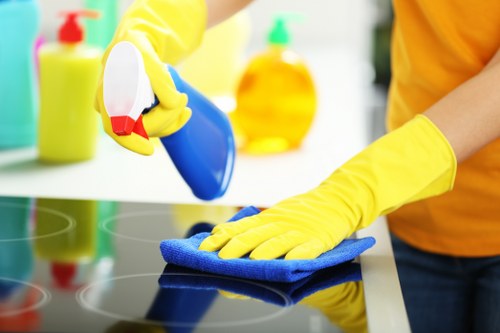
Kitchen areas see a wide variety of messes, from grease splatters and tomato sauce to coffee drips and food residue. Stain removal in the kitchen should focus on both cleanliness and surface safety. Countertops, backsplashes, sinks, and appliance surfaces each react differently to stains and cleaners.
For nonporous surfaces such as laminate, stainless steel, and many tile finishes, stain removal is usually straightforward. A combination of dish soap and warm water works for many spills. For tougher marks, baking soda paste can help lift discoloration without scratching the surface. Always rinse and dry after cleaning to prevent residue or streaking.
Natural stone surfaces such as marble and granite need more caution. Acidic cleaners like vinegar can etch stone, so stain removal should rely on pH-neutral products made for stone care. In kitchens, fast clean-up is especially important because food stains can attract bacteria and create persistent odors.
Smart Kitchen Stain Removal Habits
- Wipe spills right away before they dry.
- Use the right cleaner for each surface type.
- Keep microfiber cloths nearby for quick cleanup.
- Check appliance instructions before applying products.
Consistent kitchen stain removal makes a major difference in the overall look and hygiene of the home. A clean kitchen also feels more welcoming and organized.
Bathroom Stain Removal for Tiles, Grout, and Fixtures
Bathrooms are exposed to soap scum, hard water marks, cosmetic stains, mildew residue, and rust. Effective bathroom stain removal improves both appearance and sanitation. Since many bathroom surfaces are moisture-resistant, cleaning is often easier than in fabric-based areas, but buildup can still be stubborn.
Tile and grout require different attention. Tile surfaces usually respond well to mild detergent and water, while grout often needs a paste of baking soda and water or a grout-safe cleaner. Rust around fixtures may respond to a specialized rust remover, but always check compatibility with the material. Bathroom stain removal should never damage chrome, porcelain, or grout sealant.
To keep bathrooms fresh, make stain removal part of a regular routine. Wiping down sinks, tubs, and shower walls after use helps prevent buildup that becomes harder to remove later. A few minutes of maintenance can reduce the need for deep cleaning and protect surfaces over time.
Bathroom Stain Removal Priorities
- Remove soap scum before it hardens.
- Treat hard water marks early.
- Use non-abrasive methods on glossy finishes.
- Allow ventilation to reduce mildew and odor.
Natural vs. Commercial Stain Removal Products
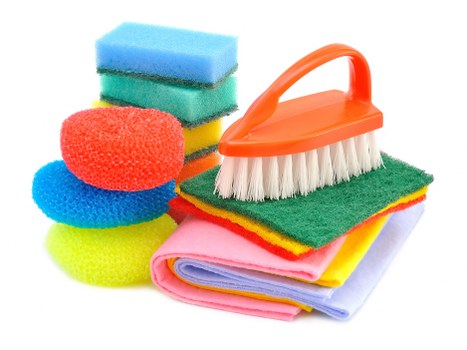
When it comes to stain removal, many people wonder whether natural methods or commercial products work better. The answer depends on the stain, the surface, and how quickly you need results. Natural options like vinegar, baking soda, lemon juice, and dish soap are popular because they are inexpensive and easy to find. They can handle many light to moderate stains when used correctly.
Commercial stain removal products often contain specialized ingredients designed for specific problems such as grease, protein stains, or dye transfer. These can be very effective when the stain is stubborn or already set. However, stronger formulas may also be harsher on fabrics or surfaces, so the instructions should always be followed carefully.
The best stain removal strategy is often a balanced one. Use gentle, natural methods for routine cleaning and reserve stronger products for difficult spots. This approach can reduce wear on fabrics and surfaces while still delivering excellent results.
Choosing the Right Option
- Choose natural stain removal for light stains, routine maintenance, and delicate surfaces.
- Choose commercial stain removal for set-in stains, heavy grease, or specialized material needs.
- Choose professional help for valuable textiles, antique upholstery, or large affected areas.
Understanding your options helps you make safer and more effective cleaning decisions.
Preventing Stains Before They Happen
While stain removal is useful, prevention is even better. A few simple habits can reduce how often you need to clean up tough messes. Using placemats, coasters, fabric protectors, and stain-resistant sprays can make a big difference. In high-traffic areas, washable covers and regular vacuuming also help protect furniture and flooring.
In clothing care, sorting laundry by color and fabric type can reduce dye transfer and accidental damage. In kitchens and bathrooms, quick wipe-downs prevent spills from drying into stubborn marks. Prevention is not about being overly cautious; it is about making stain removal less frequent and less stressful.
Pro tip: Keep a small stain removal kit in the laundry area, kitchen, or car. If a spill occurs, fast action is much easier when supplies are already close by.
Simple Prevention Habits
- Blot spills immediately instead of waiting.
- Use protective sprays on fabric when appropriate.
- Maintain regular cleaning schedules.
- Avoid eating or drinking over delicate materials when possible.
- Store stain removal supplies in accessible places.
When Professional Stain Removal Makes Sense
Not every stain should be handled with a DIY method. In some cases, professional stain removal is the safest and most effective choice. This is especially true for delicate fabrics, expensive upholstery, large carpets, and surfaces that can be permanently damaged by harsh chemicals. If a stain has been sitting for a long time or has already resisted several attempts, a professional may be able to restore the item more effectively.
Professional stain removal services often use specialized equipment, targeted solutions, and controlled techniques that reach deeper into fabric and fiber. They can also assess the material first, which reduces the risk of damage. For businesses, professional stain removal can support a cleaner image and minimize downtime caused by visible messes.
If you are uncertain whether to attempt a stain yourself, ask a simple question: Will the wrong method cost more than getting expert help now? In many cases, that answer makes the decision clear. When the item matters, professional stain removal can save time, effort, and money in the long run.
Signs You May Need Expert Help
- The stain covers a large area.
- The material is delicate or valuable.
- The stain keeps returning after cleaning.
- There is a strong odor that remains.
- Home methods are making the problem worse.
Final Thoughts on Stain Removal
Stain removal does not need to be overwhelming. With the right approach, many common stains can be treated successfully at home on clothing, carpets, upholstery, and household surfaces. The most important habits are acting quickly, using the right product for the stain type, and avoiding harsh scrubbing or excessive moisture. These simple choices can make a huge difference in the outcome.
Whether you prefer natural methods or specialized cleaners, the goal of stain removal is the same: restore appearance, protect materials, and keep your space feeling clean and comfortable. If you build a small stain removal kit, learn a few proven techniques, and stay consistent with upkeep, you will be better prepared for everyday spills and surprises.
For more effective cleaning results and less stress when accidents happen, make stain removal part of your regular home care routine. If you need expert support for stubborn or delicate items, contact us today or book your service now to get professional help when it matters most.