Health and Safety Policy
 Health and safety policy is a central commitment to protecting people, maintaining safe operations, and creating a workplace where everyone can contribute with confidence. This policy sets out the principles, responsibilities, and practices that support a safe and healthy environment for employees, contractors, visitors, and anyone affected by our activities. It reflects a proactive approach to risk management, with an emphasis on prevention, communication, and continuous improvement.
Our approach to health and safety management is based on the belief that incidents are preventable when risks are identified early and controlled effectively. We aim to reduce hazards through sensible planning, suitable training, regular review, and the consistent application of safe systems of work. Safety is not treated as a separate function; it is part of everyday decision-making at every level of the organisation.
 This policy applies to all work-related activities, including routine tasks, maintenance, travel, and any temporary or unusual operations. It also supports the wellbeing of people who may be affected indirectly by our work. Everyone has a role to play, and compliance with safety procedures is expected as a condition of working within our environment. By taking shared responsibility, we can build a culture in which safe behaviour becomes the norm.
We are committed to providing and maintaining a workplace that is, so far as reasonably practicable, free from avoidable risk. This includes maintaining safe equipment, keeping work areas orderly, ensuring appropriate supervision, and using competent people for the tasks they perform. Where hazards cannot be eliminated entirely, they will be reduced through practical control measures, clear instructions, and monitoring.
In support of this commitment, we will carry out regular risk assessments to identify hazards, evaluate the likelihood and severity of harm, and determine suitable controls. The findings will inform working methods, training needs, and equipment selection. Risk assessment is not a one-time exercise; it must be reviewed whenever circumstances change, including when new tasks, tools, materials, or processes are introduced.
 A safe workplace depends on effective communication. We encourage staff to raise concerns promptly, report hazards without delay, and share suggestions for improvement. Open reporting helps us respond quickly to issues before they develop into accidents or ill health. Information about safe working practices will be provided in a format that is understandable, accessible, and relevant to the work being done.
Training and competence are essential to our health and safety policy. People will receive the instruction, supervision, and support needed to work safely and confidently. Training may include induction, role-specific instruction, refresher sessions, emergency arrangements, manual handling, equipment use, and awareness of workplace hazards. Competence will be maintained through assessment, observation, and continued development.
Managers and supervisors have a key responsibility for ensuring that safe practices are followed and that teams understand the standards expected of them. They must lead by example, monitor conditions, and take action when unsafe behaviour or unsafe conditions are observed. Strong leadership supports a stronger health and safety culture, where prevention is viewed as a normal part of good performance rather than an optional extra.
Our policy also recognises that health is as important as physical safety. We will consider issues such as stress, fatigue, workplace ergonomics, and the effects of workload on wellbeing. Reasonable steps will be taken to reduce pressures that may contribute to ill health, and people will be encouraged to speak up early if they are struggling. Supporting wellbeing contributes to resilience, engagement, and long-term performance.
Emergency preparedness is another important part of this policy. Arrangements will be in place for foreseeable emergencies, including fire, injury, equipment failure, and other incidents that could place people at risk. These arrangements will be reviewed periodically and tested where appropriate so that people know how to respond quickly and calmly. Clear procedures help limit harm and reduce confusion during unexpected events.
Incident and near-miss reporting will be taken seriously. Every report offers an opportunity to learn, improve controls, and prevent recurrence. Investigations will focus on identifying root causes rather than assigning blame. This approach supports honest reporting and encourages a culture of improvement. Learning from experience is a practical way to strengthen the overall safety system and reduce future losses.
 We will also ensure that equipment, facilities, and work environments are inspected and maintained at appropriate intervals. Defects or deterioration that could create a hazard will be reported and addressed without unnecessary delay. Safe maintenance practices, competent contractors, and controlled access to high-risk areas are all part of keeping conditions under control.
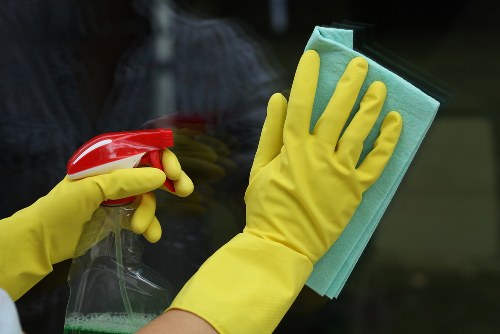
Where chemicals, tools, machinery, vehicles, or other potentially hazardous items are used, suitable precautions will be applied. This may involve guarding, ventilation, storage controls, protective equipment, isolation procedures, and clear operating instructions. The aim is always to reduce exposure and keep risk at a manageable level. Personal protective equipment will be used when needed, but it will not replace more effective control measures.
We expect everyone to cooperate with this policy and to take reasonable care of their own safety and the safety of others. Unsafe acts, shortcut behaviours, and failure to follow approved procedures can place people at risk and will not be accepted. At the same time, we will support people with the information and resources they need to work safely and responsibly.
 This health and safety policy will be reviewed regularly to ensure it remains effective, relevant, and aligned with the way work is actually carried out. Changes in activities, risks, equipment, or organisational structure may require updates to the policy and associated procedures. By maintaining a practical, living policy, we reinforce our commitment to prevention, wellbeing, and continual improvement for everyone involved.