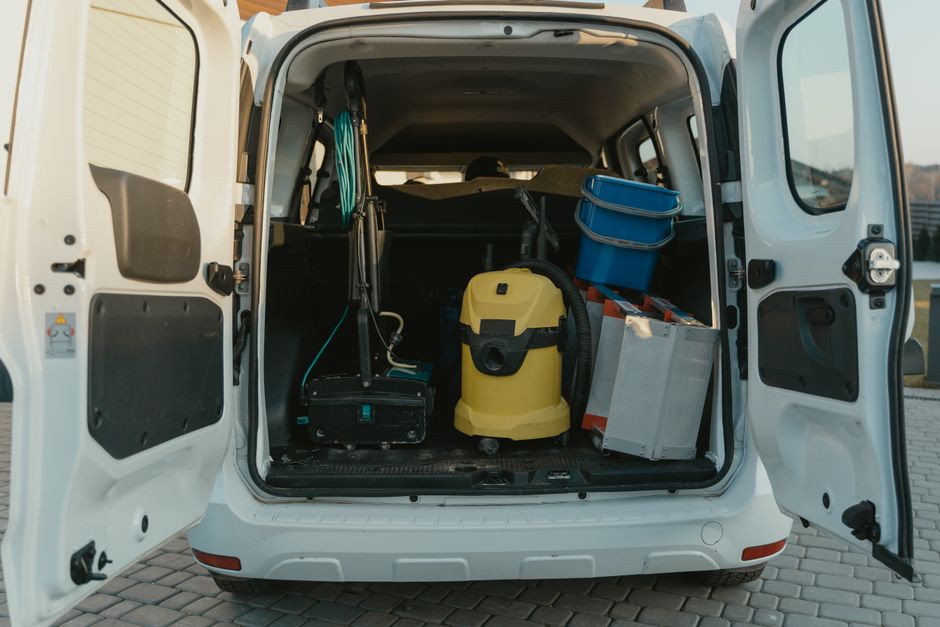
Permits and parking rules for vans on Kentish Town cleaning jobs

If you've ever tried to park a work van in a busy London street at 8 a.m., you'll know the feeling: one eye on the timer, one eye on the kerb, and a creeping worry that a loading bay might disappear just as you need it. That is exactly why understanding Permits and parking rules for vans on Kentish Town cleaning jobs matters. Whether the job is a one-off deep clean or a full day of carpet, sofa, or upholstery work, the way the van is parked can affect timing, access, cost, and even whether the visit goes ahead smoothly.
This guide breaks the topic down in plain English. You'll learn when permits are likely to matter, what parking checks to make before arrival, how cleaning teams can reduce the risk of tickets or delays, and which practical habits make life easier for everyone involved. It's the boring bit, maybe, but in real life the boring bit saves the day.
Why permits and parking rules matter
For cleaning work, van parking is not just a background detail. It affects how quickly equipment can be unloaded, how safely hoses and tools can be moved, and whether the team can stick to the booked slot. In a place like Kentish Town, where streets can be narrow and parking demand can be high, getting this wrong can turn a tidy schedule into a stressful shuffle.
Parking rules also matter because they are not always intuitive. A bay that looks empty may still be restricted. A road that seems fine for short stops may only allow certain vehicles at certain times. And if the job involves heavy or bulky items, the van may need to stay close enough to make moving kit practical. No one wants to drag wet equipment across half a street, truth be told.
There is also a trust angle. Customers notice when a crew arrives prepared, parks considerately, and works without fuss. It gives a strong impression of professionalism, especially in domestic jobs where people may already be juggling children, pets, or remote work while the clean is happening. If you are using services such as carpet cleaning or sofa cleaning, smooth parking helps the whole appointment feel calm rather than chaotic.
Expert summary: parking planning is part of service quality. It is not only about avoiding fines; it is about arriving on time, working safely, and protecting the customer experience from the first minute.
How permits and parking rules for vans on Kentish Town cleaning jobs works
The basics are straightforward, even if the details can be annoyingly specific. In London, van parking is usually governed by a combination of local restrictions, loading rules, marked bays, permit conditions, and time-based controls. For a cleaning job, the team normally needs to decide whether the van is:
- stopping briefly to load or unload equipment
- parked in a paid bay
- parked in a permit-controlled area
- using a loading bay or shared-use bay
- waiting nearby while a technician works inside
The right choice depends on the street, the time of day, and how long the van must stay. Some jobs need a quick drop-off only; others involve a longer stay because machinery, water, drying aids, or furniture-moving equipment must be brought in and out. A small van may sometimes fit more easily than a larger one, but the vehicle still has to obey the same street rules.
For cleaning teams, good practice is to check the location in advance and plan the van position before arrival. That often means asking a few key questions: Is there resident permit parking only? Is there a loading restriction at the proposed time? Is the street narrow enough that reversing would be awkward? Is there a nearby side street with a legal bay? These are not glamorous questions, but they are the sort that make the job run properly.
If the appointment is commercial, for example a hallway clean or an office deep clean, the parking arrangement may need even more planning. That is especially true if the team is booking larger equipment for commercial carpet cleaning or bringing extra kit for steam carpet cleaning.
What usually happens on the day
In a typical domestic visit, the van is parked as close as legally possible to the property, then equipment is moved in quickly and carefully. If the road allows loading only for a limited period, the van may be left for the shortest sensible time while the operative checks access and starts setup. Sometimes a parking permit or pay-and-display ticket is needed. Sometimes it is not. The key is to know before the engine is switched off.
One subtle point: a short stop is not automatically a legal loading stop. You still need to be within the actual rules for that street and vehicle. That is where many people get caught out. Looks simple, but parking law loves a small surprise.
Key benefits and practical advantages
Getting parking right on a Kentish Town cleaning job has benefits that are easy to overlook until you've had a bad day. First, it keeps the schedule honest. When the van can park properly, the team starts on time and the customer does not spend ten minutes peering through the window wondering where everyone is.
Second, it reduces risk. A badly parked van creates avoidable problems: blocked access, awkward lifting, trips with hoses or extraction gear, and the possibility of a ticket. In cleaning work, where equipment can be heavy and sometimes damp, that is not a trivial detail. You want a clean route in, clean route out.
Third, it protects the job quality. If the van has to be parked too far away, the crew may spend extra time carrying items instead of focusing on the actual cleaning. That can affect efficiency, and on larger jobs it may affect drying routines or the sequence of tasks. It also just feels messy. Nobody likes that.
There are customer-facing advantages too:
- less disruption to neighbours
- fewer delays at the start of the visit
- a more organised and professional impression
- better protection for driveways, pavements, and shared access areas
For customers booking delicate work such as upholstery cleaning, rug cleaning, or mattress cleaning, the benefits show up in the small things: fewer delays, less noise, and a smoother handover at the front door.
Who this is for and when it makes sense
This topic matters to a few different groups, and each one has slightly different concerns.
Cleaning companies and sole traders need parking rules because they are responsible for the vehicle, the equipment, and the schedule. If the van is the mobile base for the job, parking decisions are operational decisions. Simple as that.
Property managers and landlords should care because poor access can create complaints, block shared entrances, or lead to a job being delayed. It can also affect building rules, especially in managed blocks where loading must be coordinated.
Homeowners and tenants benefit from knowing what the operative will need. If a cleaner turns up and cannot legally park outside, the customer may need to help identify another spot or provide access instructions. That is not ideal at the doorstep, so it helps to plan ahead.
Commercial clients should pay close attention when the booking involves time-sensitive access. Office cleaning, retail jobs, and shared-building appointments often need a more structured approach than a standard flat clean. In those cases, parking instructions should be part of the booking notes, not an afterthought.
It also makes sense for jobs involving bulky kit or multiple items, such as stain treatment with extra drying tools or specialist care for pets-related mess. If the team is handling pet stain and odour removal or a larger stain removal visit, there is often more gear to move than people expect.
Step-by-step guidance
Here is the practical version. Not theory, just what actually helps.
- Check the job address early. Don't leave parking planning until the morning of the appointment. A street can look simple on paper and turn out to be awkward in real life.
- Identify the likely parking type. Is it resident permit parking, pay-and-display, loading only, or unrestricted at certain times? If you are unsure, make a note to check before arrival.
- Look at the van size and access route. A long wheelbase van is more awkward on tight streets than a smaller one. That matters more than people think.
- Decide whether unloading can be done safely and legally. If the van needs to stay close because of equipment, building access, or drying tools, that should be built into the plan.
- Prepare a backup option. If the first parking choice is taken, know where the next legal option is. This avoids circling the block like a frustrated taxi driver.
- Share instructions with the customer. A quick message before arrival can save a lot of confusion. For example: "If possible, please keep the space outside clear" or "There is a side street nearby where loading may be easier."
- Keep an eye on time limits. If the job is long, a place that works for a brief stop may not work for the full visit. Recheck the rules if the van stays put.
- Document anything unusual. If a customer or building manager gives access guidance, keep a record. It helps if questions arise later.
That sequence sounds basic, and it is. But basic is where most parking problems are won or lost.
Expert tips for better results
Over time, the best cleaning teams develop a kind of street sense. Not guesswork. Street sense. They learn how different blocks tend to behave at different times of day, and they stop relying on luck.
Tip 1: build parking into the booking notes. A good booking should include access details, floor level, lift availability, and any parking constraints. It sounds admin-heavy, but it pays back quickly.
Tip 2: avoid the "I'll just stop here for a second" mindset. That's how drivers drift into trouble. In London, a second can become a penalty notice if the location is wrong. Rather awkward, that.
Tip 3: arrive slightly early when practical. Even ten minutes can help if the first parking option is occupied. Early arrival also gives the operative time to assess the street without rushing.
Tip 4: use smaller kit where possible. For some jobs, a more compact setup reduces the amount of loading time needed and can make street-side work easier. This is especially useful for domestic jobs in tight residential roads.
Tip 5: communicate clearly with residents and building staff. If the appointment is in a block of flats or a managed property, a polite, short note to reception or the resident can save a lot of friction.
And one tiny real-world note: if a job is planned for the morning, parking can be calmer than later in the day. You don't always get that luxury, of course, but when you do, use it.
Common mistakes to avoid
A lot of parking issues come from a few repeat mistakes. The good news is they are all avoidable.
- Assuming loading is always allowed. It isn't. Loading rules vary by location and time.
- Thinking "near enough" is good enough. If the van is too far away, the job becomes slower and less efficient.
- Ignoring time restrictions. A legal stop at 10 a.m. may not be legal at 11 a.m.
- Not checking for suspension or temporary changes. Streets can change. Works, events, or local restrictions can alter what is normally allowed.
- Leaving parking planning to the last minute. This one causes most of the stress.
- Failing to brief the customer. If a customer is expecting the van outside the property but that is not possible, frustration builds quickly.
The most avoidable mistake? Probably not having a backup plan. A cleaner who knows only one parking option is one minor problem away from a bad morning. And mornings are hard enough already.
Tools, resources and recommendations
You do not need fancy systems to handle parking well, but a few simple tools make life easier.
A pre-visit access checklist is the biggest win. It should include parking, gates, entry codes, lift access, and whether the van can stop directly outside. Keep it short enough that people will actually use it.
Job notes or dispatch software can help if a team handles multiple bookings. Put the parking instructions in one place, not scattered across messages. That way nobody has to hunt through old chats while stood in the rain.
Customer-facing reminders are also useful. A short confirmation message can ask whether there is resident permit parking, if visitor parking is available, or whether the customer can share a legal stop nearby.
Service pairing matters too. For example, if a booking combines curtain cleaning and upholstery cleaning, the team may need more room for delicate items and drying equipment. That should shape parking choices from the start.
For customers comparing providers, useful pages like pricing and quotes, insurance and safety, and health and safety policy can help them judge how organised a company really is. Parking planning and safety planning usually go together, if we're honest.
Law, compliance, standards, and best practice
This is where careful wording matters. Parking rules in Kentish Town are governed by local road markings, restrictions, and enforcement practices, and these can change. Because of that, it is always sensible to check the exact street conditions for the date and time of the visit rather than relying on general assumptions.
For cleaning teams, the best practice is to treat parking as part of the risk assessment. That means considering:
- whether the vehicle can stop legally
- whether unloading can be done without blocking access
- whether pedestrians, neighbours, or other road users could be affected
- whether the van position affects manual handling or trip hazards
There is also a duty to work safely around the property. If the route from van to doorway is awkward, slippery, or crowded, the team should adapt. That may mean re-routing equipment, asking for temporary access help, or choosing a different parking spot if available.
Customers should not be expected to take on legal responsibility for the van, but they can help by sharing accurate access information. A good provider will make that easy and keep the conversation practical. That is one of the reasons internal policies matter; pages such as terms and conditions and privacy policy show how a business handles customer information and expectations, while the parking plan shows how it operates on the ground.
Best practice, in plain English: if a parking decision looks risky, slow down and verify it before the van is left unattended. It's less dramatic than dealing with a ticket, and a lot cheaper.
Options, methods, and comparison table
Different parking approaches work better in different situations. Here's a simple comparison to help you think it through.
| Parking option | Best for | Pros | Limitations |
|---|---|---|---|
| Direct outside the property | Short domestic jobs, easy access streets | Fast unloading, simple handover, less carrying | Not always legal or available |
| Nearby legal bay | Standard cleaning visits | Usually straightforward and predictable | May involve a short walk with equipment |
| Loading bay | Quick setup and discharge of kit | Efficient if permitted at that time | Often time-limited and rule-specific |
| Permit-controlled parking | Longer jobs where a lawful stay is needed | More stable than a quick stop | May require careful checking or payment |
| Pre-arranged site access | Commercial or managed buildings | Most controlled and organised | Depends on cooperation and timing |
To be fair, no option is perfect every time. The goal is not to find a magical parking spot that solves everything. The goal is to choose the least risky legal option that supports the job properly.
Case study or real-world example
Picture a morning carpet clean in a Kentish Town terrace. The property is on a street with a mix of resident bays and tighter restrictions during commuter hours. The booking is for a lounge, hallway, and stairs, so the team needs extraction equipment, protective footwear, and a few extra items to handle drying and edge work.
Before arrival, the office checks the access notes and sees that parking is likely to be difficult directly outside. Instead of hoping for the best, the operative plans to use a legal bay one street over and walk the last short stretch with the kit. It adds a couple of minutes, yes, but it avoids a last-minute scramble.
On arrival, the customer is already expecting that setup because it was explained clearly in advance. The van is parked legally, the equipment comes in without fuss, and the job starts on time. There's no sense of chaos, no awkward back-and-forth, and no mystery about who is where. Just a clean working rhythm. Simple, almost dull. Which is exactly what you want.
That kind of planning is especially useful for jobs involving steam carpet cleaning or multi-room commercial carpet cleaning, where the van position can affect both setup and finish time. It is not glamorous, but it is how reliable service is built.
Practical checklist
Use this quick checklist before any Kentish Town cleaning visit involving a van:
- Confirm the full address and exact arrival window
- Check whether the street has permit, loading, or timed restrictions
- Decide where the van can legally stop if the first option is unavailable
- Note any building access issues, gates, lifts, or entry codes
- Assess whether the job needs close parking for heavier equipment
- Tell the customer what parking help, if any, would be useful
- Carry any required payment method, permits, or booking references
- Re-check the situation if the job runs longer than expected
- Keep walkways clear when unloading and loading
- Record any unusual access or parking notes for future visits
If you work in cleaning regularly, print this list or keep it as a template in your job notes. It saves time. More than once, probably.
Conclusion
Permits and parking rules for vans on Kentish Town cleaning jobs can feel like a side issue, but they are really part of the service itself. The best cleaning work starts with smooth access, legal parking, and a clear plan for the van before the first item is lifted. When that piece is sorted, everything else becomes easier: punctual arrivals, safer unloading, fewer delays, and a better experience for the customer.
For households and businesses alike, the real win is peace of mind. You know the team is prepared, the schedule is sensible, and the job can proceed without avoidable friction. That's worth a lot in a busy part of London where every street seems to have its own little rules.
Get a free quote today and see how much you can save.
And if you're comparing providers, it's often the small details that reveal the most. A business that plans parking properly usually plans the rest properly too. That's the kind of calm, practical professionalism people remember.
Frequently Asked Questions
Do cleaning vans need a permit to park in Kentish Town?
Sometimes yes, sometimes no. It depends on the street, the time of day, and whether the van is using a permit-only bay, a loading space, or another lawful parking option. The safest approach is to check the exact location before the job starts.
Can a van stop briefly outside a property just to unload equipment?
Not always. A short stop is not automatically allowed everywhere. The street markings and restrictions still matter, so a brief unload has to fit the local rules.
What happens if the van cannot park close to the property?
The team may need to use a nearby legal bay or loading area and carry equipment the remaining distance. A good cleaner will plan for this rather than guessing on the day.
Are parking rules different for domestic and commercial cleaning jobs?
Yes, often in practice. Commercial jobs may need longer stays, larger equipment, or site-specific access arrangements, so parking planning tends to be more formal.
Should customers arrange parking for the cleaning team?
Customers do not usually need to manage the van themselves, but it helps if they can share access details, permit information, or any building rules before the visit.
What is the best parking setup for a large van?
The best setup is the nearest legal option that allows safe unloading without blocking traffic or access. That might be a loading bay, a legal bay nearby, or a pre-arranged site space.
How far in advance should parking be checked?
Ideally before the appointment is confirmed, and then again shortly before arrival if the area is busy or if restrictions may have changed.
Do parking issues affect the price of a cleaning job?
They can, depending on how much extra time, travel, or access complexity is involved. If parking makes the job slower or more difficult, that may influence the quote.
Is it better to use a smaller van for Kentish Town jobs?
A smaller van can be easier on narrow streets, but the right vehicle depends on the size of the job and the equipment needed. Sometimes a bigger van is worth the extra hassle because it reduces multiple trips.
What should I ask a cleaning company about van parking?
Ask how they handle local parking restrictions, whether they plan loading and unloading in advance, and what information they need from you before arriving. Their answer tells you a lot about how organised they are.
Can parking delays affect drying times or the overall job?
Yes, indirectly. If the crew arrives late or has to park far away, setup can take longer and the job may run behind. That can matter more on larger or more detailed cleans.
Where can I read more about service standards and customer protections?
Useful pages to review include the company's health and safety policy, insurance and safety, and about us information, which help show how the business works in practice.