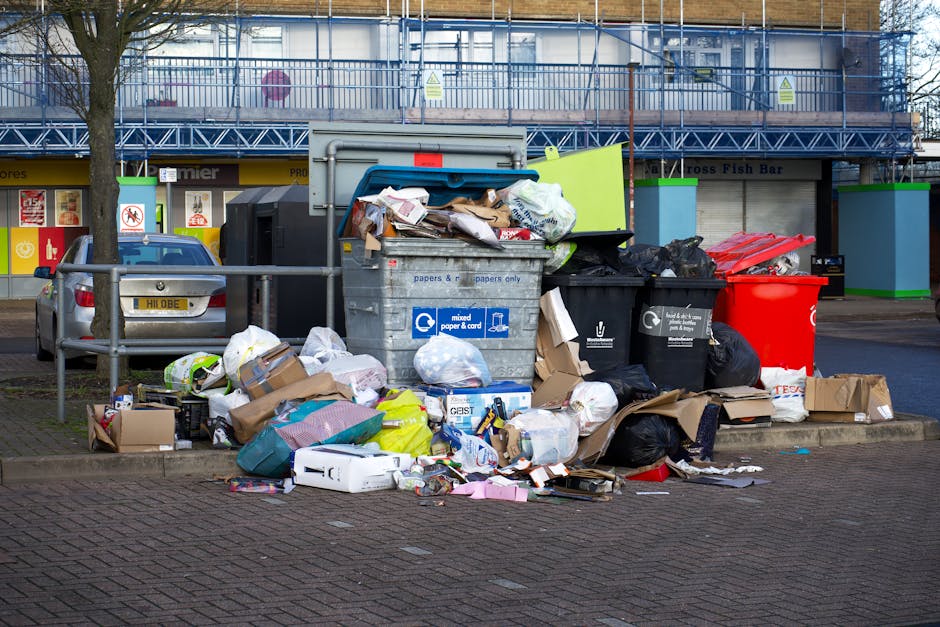
Camden council rules for commercial cleaning waste disposal NW5
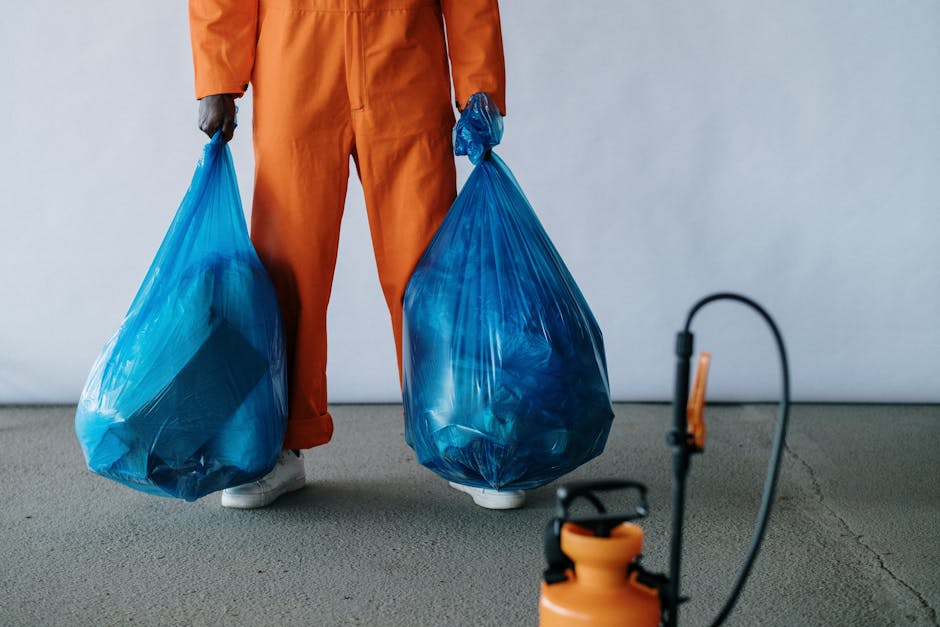
If you run or manage a commercial cleaning job in NW5, waste disposal can feel oddly complicated for something that seems so basic. Dirty water, spent towels, packaging, vacuum contents, chemical containers, and the occasional awkward stain-removal residue all need handling properly. Camden council rules for commercial cleaning waste disposal NW5 are there to make sure waste is stored, separated, moved, and disposed of without creating mess, nuisance, or compliance headaches.
That matters more than people think. One rushed decision - tipping liquid waste the wrong way, mixing unsuitable materials, or leaving bags outside too early - can create complaints, fines, or a very unpleasant site visit. The good news? Once you understand the practical rules and the logic behind them, it becomes routine. This guide breaks it down in plain English, with a local NW5 lens and a focus on real-world cleaning work rather than theory.
Why Camden council rules for commercial cleaning waste disposal NW5 Matters
Commercial cleaning waste is not just "rubbish". In practice it can include waste liquids, contaminated cloths, disposable PPE, packaging from detergents, vacuum dust, mop heads, and sometimes absorbed residues from difficult jobs. In an area like NW5, where properties can be tightly packed and bins are often shared or space is limited, waste handling needs a bit of forethought. Otherwise, the small stuff becomes the big problem.
Camden council rules matter because waste left out at the wrong time, placed in the wrong container, or disposed of through the wrong route can create issues for both the business and the client. You may also need to think about odour, leakage, pests, spill risk, and how waste is stored before collection. That is especially true for after-hours work in offices, hospitality spaces, managed buildings, and rented premises.
To be fair, most problems are avoidable. A clear waste plan keeps the job tidy, protects staff, and helps you avoid that awkward moment when someone notices a wet sack dripping across the pavement. Not ideal, obviously.
For businesses that also care about sustainability and duty of care, it helps to align cleaning routines with the site's broader approach to waste and recycling. If you already publish internal policies, you may want to align them with your recycling and sustainability approach and keep your operational standards visible through your health and safety policy.
How Camden council rules for commercial cleaning waste disposal NW5 Works
The practical side is usually simpler than people expect. Camden-style compliance thinking, like most borough-level waste management, comes down to a few consistent principles: separate waste streams, prevent leakage, store waste safely, and use the correct collection route. The exact operational details can vary depending on the premises, the volume of waste, and whether the waste is general commercial waste, recyclable material, or something that needs a specialist route.
Here's the plain-English version. If your cleaning generates ordinary dry waste - say packaging, paper towel waste, or non-hazardous disposables - that usually belongs in the standard waste stream for the site. If it creates wet or contaminated waste, you need to make sure it is contained properly. Liquid waste should never be tipped casually into a drain unless the site rules, the material safety data, and the local permissions all line up. And if you have anything that may be classed as hazardous, contaminated, or specialist waste, stop and assess it before disposal. That one bit saves a lot of trouble later.
One useful mental model is this: cleaning waste should be treated by risk, not by convenience. In practice, that means asking three questions before disposal:
- Is it dry, wet, or liquid?
- Could it stain, contaminate, or smell?
- Does it need a normal collection, recycling route, or specialist disposal?
For firms that do regular commercial work, especially alongside commercial carpet cleaning or upholstery cleaning, waste handling should be built into the job plan, not left as an afterthought when the van is already packed and everyone wants to go home.
Key Benefits and Practical Advantages
Good waste disposal practice is not only about avoiding penalties. It also makes the whole operation smoother and more professional. In real life, the benefits show up in small ways first: fewer spills, fewer complaints, less confusion for staff, and less time wasted figuring out who is taking what to which bin.
- Cleaner handover: the client sees a finished job, not a trail of dirty bags and damp packaging.
- Lower risk of nuisance: controlled waste storage reduces odour, leakage, and pest attraction.
- Better staff safety: clear handling rules reduce exposure to contaminants and slippery surfaces.
- Less admin stress: standard routines make training and supervision far easier.
- Stronger compliance: using a repeatable system makes it easier to show responsible practice if questions arise.
There's also a reputation benefit. Clients in NW5 and across Camden tend to notice whether a cleaning contractor leaves the place looking orderly. They may not say, "Ah yes, excellent waste segregation," but they will absolutely notice if the corridor smells like stale detergent or if bin lids are wedged open. Small thing, big impression.
Where sensible, it is worth linking waste handling to your wider operational standards. If your team already follows a written terms and conditions process, or you discuss service scope through pricing and quotes, add a clear waste handling note so expectations are set from the start.
Who This Is For and When It Makes Sense
This topic matters to a wide range of people, not just dedicated waste contractors. If your work creates cleaning residue, disposable materials, or transportable waste, you need a system. That includes small operators as well as larger contract teams.
- Commercial cleaners working in offices, shops, hospitality venues, schools, and managed blocks.
- Facilities managers who need a safe, repeatable disposal process for contractors.
- Building managers and landlords coordinating service visits and bin access.
- Independent cleaning businesses that want to avoid waste-related disputes.
- Clients who need to understand what a contractor should and should not leave behind.
It makes sense whenever the clean is more than a quick wipe-down. Steam work, deep extraction, stain treatments, carpet cleaning, and upholstery jobs tend to produce waste streams that need a little care. Even something as ordinary as a post-works towel washout can become a disposal issue if the wrong water ends up where it shouldn't.
And yes, if you've ever had to explain to a receptionist why three damp sacks are sitting by the loading bay, you already know why this subject matters. Nobody enjoys that conversation.
Step-by-Step Guidance
If you are setting up or reviewing a commercial cleaning waste process in NW5, a step-by-step approach keeps things calm. No heroics needed. Just consistency.
- Identify the waste before the job starts. Make a quick list: packaging, disposable cloths, PPE, vacuum waste, liquid residues, and any special materials.
- Decide the waste route in advance. Separate standard waste, recyclable items, and anything that may need specialist attention.
- Contain liquids properly. Use suitable containers with lids. Never leave open buckets or loose liquid waste near shared areas.
- Label anything ambiguous. If a bag contains mixed materials, write it down clearly so nobody guesses later.
- Store waste safely on site. Keep bags upright, covered where needed, and away from public walkways or heat sources.
- Use the correct collection method. If the site has shared bins, follow those rules. If a specialist collection is required, arrange it before the work finishes.
- Record unusual waste events. A spill, accidental contamination, or unexpected material should be noted, even if it seems minor.
- Inspect the area before leaving. A final walk-through catches drips, loose packaging, and items left in the wrong place.
A good habit is to keep a job-close routine. Wipe down, bag up, check the floor, and then check again. It takes a minute, maybe two, and it saves embarrassment later. The boring bit is the bit that works.
Expert Tips for Better Results
The best waste systems are not complicated; they are disciplined. Most of the gains come from reducing decisions on the day of the job. That sounds a bit dull, but in practice it is what keeps the job smooth.
- Keep separate bags for separate waste. Mixed waste is where confusion starts.
- Use spill-proof transport where possible. Especially when moving wet waste between floors or through shared areas.
- Train for "what if" moments. What if a chemical bottle leaks? What if a cloth is heavily soiled? What if the bin area is locked?
- Match the waste plan to the service type. A steam job is not the same as dry vacuum work, and the waste profile changes accordingly.
- Coordinate with the client site contact. A quick confirmation about bin access can prevent a whole load of awkwardness.
If you provide specialist services like steam carpet cleaning or stain removal, plan the waste from the very beginning. The residue from those jobs is often manageable, but only if it is contained and handled with a bit of common sense.
Expert summary: the safest approach is to treat waste as part of the service itself. If the clean is premium, the disposal should be premium too - tidy, documented, and boring in the best possible way.
Common Mistakes to Avoid
Most waste mistakes are not dramatic. They are small, repeated, and entirely avoidable. That is what makes them annoying.
- Mixing wet and dry waste. This can create leakage, odour, and handling problems.
- Leaving bags outside too early. Bags that sit around can be torn open, dampened, or moved by people and animals.
- Assuming all liquid waste can be poured away. Some residues need careful assessment first.
- Using unlabelled containers. If someone else has to move it, they should know what it is.
- Ignoring the client's site rules. Shared buildings often have stricter arrangements than standalone premises.
- Forgetting the final sweep. It is amazing how often a small bottle top or rag gets left behind.
Another common issue is overconfidence. "It's only a bit of water" is how a lot of problems begin. A little water in the wrong place can become a slippery floor, a complaint, or a stain on a lifted carpet edge. Not worth it.
For teams that already manage insurance and site risk, it helps to keep your operational controls aligned with your insurance and safety information. That way, waste handling is not isolated from the rest of your duty of care.
Tools, Resources and Recommendations
You do not need fancy kit to manage cleaning waste well, but the right basic tools make a real difference. In most cases, practical and sturdy beats clever and fragile.
- Heavy-duty refuse sacks: useful for dry waste and general disposables.
- Sealable buckets or lidded tubs: better for wet waste or residues that could spill.
- Label tape or marker pens: simple, but vital for clarity.
- Spill pads or absorbent cloths: handy when a leak happens, because at some point it will.
- Colour-coded cleaning caddies: good for separating waste types on larger jobs.
- Job sheets or checklist forms: helpful for showing what was collected and how it was handled.
Where your work includes customer-facing premises, a tidy process also pairs well with transparent service pages like commercial carpet cleaning and carpet cleaning, because clients often judge competence by the details they can see. A clean finish and a clean exit go together.
If you need the basics of how a service is delivered, your own business pages on about us and contact us can also help reassure clients that there is a proper process behind the job, not just a van and a prayer.
Law, Compliance, Standards, or Best Practice
For commercial cleaning waste disposal, the safest mindset is to follow current UK waste duty-of-care principles, local borough requirements, and site-specific building rules. Exact obligations can differ depending on the waste type, how it is transported, and whether any materials are classed as hazardous or contaminated. So if something seems borderline, treat it cautiously rather than guessing. Guessing is the expensive option, usually.
Best practice generally includes:
- keeping waste properly segregated;
- storing it so it does not leak, smell, or attract pests;
- using authorised disposal routes;
- training staff to recognise special waste;
- keeping records where the job or waste profile justifies it.
Where chemical products are involved, always read and follow the product guidance and the site's handling requirements. That is especially important for stronger cleaning agents used in deep cleans, deodorising, or commercial stain work. A simple product mistake can turn into a waste mistake quickly.
It also helps to link compliance back to your operational documentation. For example, your health and safety policy should support safe handling, while your terms and conditions can set expectations around site access, waste ownership, and client responsibilities. That sounds formal, but it keeps everyone aligned.
Options, Methods, or Comparison Table
Different types of waste need different handling methods. Here is a simple comparison to make the decision easier on the day.
| Waste type | Typical examples | Best handling method | Main risk if handled badly |
|---|---|---|---|
| Dry general waste | Packaging, paper towels, disposable wipes | Bag securely and place in the correct general waste stream | Litter, overflow, confusion at collection |
| Wet non-hazardous waste | Dirty water, soaked cloths, mop residues | Contain in lidded containers or absorb before disposal | Leaks, slips, odour, surface damage |
| Recyclable packaging | Cardboard, some plastic containers, clean packaging | Separate from contaminated waste where possible | Contamination, missed recycling opportunities |
| Potentially special waste | Strong chemical remnants, contaminated materials | Assess before disposal and use the correct route | Compliance issues, safety risk, improper disposal |
In practice, the best option is the one that reduces risk without slowing the job down too much. That balance matters. Nobody wants a system so strict that it becomes unusable, but equally nobody wants a "we'll sort it later" method either.
Case Study or Real-World Example
Picture a small commercial clean in NW5 after office hours. The team has completed carpet extraction in a compact workspace, cleaned a few upholstered chairs, and dealt with some heavy footfall staining near the entrance. By 7:30 p.m., everyone is tired, the corridor is quiet, and the smell of fresh detergent is still hanging in the air a little.
Without a waste plan, the crew might end up with one bag of packaging, one bag of wet cloths, one bucket of residue, and a couple of partially used bottles all waiting by the exit. That is exactly when mistakes happen. Instead, the better approach is simple: label each waste type as it is created, keep wet waste sealed, confirm the collection route before the team finishes, and do a final visual sweep of the area.
The result is not flashy. That is the point. The site is left tidy, the client does not need to chase anyone, and the team can move on without wondering whether they have accidentally created a disposal problem for tomorrow morning. The whole thing feels calmer. A bit unglamorous, yes, but very effective.
If the job involves a broader range of fabric care, such as sofa cleaning or upholstery cleaning, the same principle applies. Build the waste workflow around the service, not the other way around.
Practical Checklist
Use this before, during, and after the job. It keeps things straightforward.
- Have I identified the waste types the job will create?
- Do I know which items are dry, wet, recyclable, or potentially special?
- Are suitable bags, containers, and labels available on site?
- Has the client or site manager confirmed bin access and collection rules?
- Are liquids sealed or absorbed so they cannot leak?
- Are waste items kept away from public walkways and shared entrances?
- Has the area been checked for drips, packaging, loose cloths, or residue?
- Is anything unusual recorded for follow-up?
- Has the final handover left the site clean and presentable?
Quick tip: if you need to pause and ask, "Would I be happy to see this in the client's lobby at 8 a.m. tomorrow?" then the answer usually tells you what to do.
Get a free quote today and see how much you can save.
Conclusion
Camden council rules for commercial cleaning waste disposal NW5 are really about disciplined, sensible waste handling: separate what needs separating, contain what can leak, store waste safely, and avoid improvising when the job is done. Once you put a simple system in place, compliance becomes much easier and the work feels more professional from start to finish.
The best teams do not just clean well; they leave no trace of confusion behind them. That is what clients remember. A calm finish, a tidy site, and no unpleasant surprises in the morning - honestly, that is a solid result.
If you are refining your process, keep your service documentation, safety approach, and sustainability thinking aligned. It saves time, protects your reputation, and makes the whole operation feel more trustworthy. Small details, but they add up.
Frequently Asked Questions
What counts as commercial cleaning waste in NW5?
It usually includes packaging, disposable cloths, PPE, vacuum contents, dirty water, mop residues, and any leftover product containers or contaminated materials created during the clean.
Can I pour dirty cleaning water down a drain?
Not automatically. It depends on the type of waste, the product used, and the site rules. If there is any doubt, treat it cautiously and use a safe, approved route.
Do Camden council rules apply to small cleaning jobs too?
Yes, the principles still apply. Even a small job can create waste that needs safe storage and proper disposal, especially in shared buildings or tight NW5 premises.
What should I do with chemical containers after cleaning?
Check whether they are empty, contaminated, or require special handling. Do not assume all containers can simply go with general waste.
How do I stop waste bags from causing smells or leaks?
Use strong bags, keep wet waste sealed, avoid overfilling, and remove waste promptly. Wet materials should never be left loose or uncontained.
Is recycling possible for cleaning-related waste?
Sometimes, yes. Clean packaging and uncontaminated recyclables can often be separated, but anything soiled or wet may no longer be suitable for recycling.
What records should a cleaning business keep?
That depends on the job, but simple job notes, waste type notes, and any unusual incidents are often helpful. More complex waste may require more formal records.
What is the biggest mistake businesses make?
The most common issue is mixing waste types and waiting until the end of the job to decide what is what. That is when leaks, confusion, and delays happen.
How can I train staff to follow waste rules properly?
Keep it practical. Show them the waste types, where each one goes, what to do if a container leaks, and how the handover should look. Simple, repeatable training works best.
Does commercial carpet cleaning create special waste problems?
It can. Carpet work often produces damp materials, soil residues, and packaging that need careful handling, especially when the site is shared or space is limited.
Should waste handling be written into service terms?
Yes, that is usually sensible. Clear terms help explain who handles what, where waste goes, and how the site should be left at the end of the job.
What should I do if I am unsure whether something is hazardous?
Stop and assess it before disposal. If a material seems unusual, contaminated, or chemically strong, do not guess. Treat uncertainty as a signal to slow down.
For businesses that want to tighten up their process, the next practical step is to review waste handling alongside your existing site procedure, then build a simple checklist that staff can actually use. That's usually where the real improvement starts.